

Key Takeaways
- A strong preschool English curriculum helps build critical thinking, communication, and early comprehension skills.
- Early childhood is the ideal stage to establish a strong foundation in English before the steep jump to formal education in Primary 1.
- Enrichment classes at Curion Education Centre use purposeful play, structured routines, and guided conversations to support language skill development.
- Learning English early helps give children the cognitive tools they need to progress confidently into primary school and beyond.
Debunking Common Myths About Preschool English Enrichment
As parents, it is easy to assume that language learning only “gets serious” in Primary 1. Yet the reality is that the biggest leap happens even before a child enters the classroom. This is where a high-quality preschool English enrichment curriculum comes in, preparing children for a demanding shift from picture-supported reading to full-paragraph comprehension.
In this article, we unpack some common misconceptions about preschool English tuition and explain what truly matters in your child’s early years.
Myth 1: Preschool English Is Only About Phonics and ABCs
Many parents mistakenly believe that phonics is the main and only focus of preschool English, but in truth, it is only one component of language acquisition. Through engaging stories, interactive role-play, and guided discussions, English tuition for preschoolers encourages children to ask questions, make predictions, and negotiate meaning. These cognitive processes help them make meaningful links between ideas, progressing from basic decoding to expressing their thoughts in more organised and intentional ways.
Myth 2: Preschool English Is Just Playtime and Singing
At first glance, enrichment lessons for preschoolers may appear playful and unstructured, but high-quality programmes design each activity with a clear instructional purpose. Songs build phonological awareness, story-based games develop sequencing skills, and collaborative tasks strengthen conversational turn-taking.
While these sessions are enjoyable for young children, they are also intentionally crafted to nurture the cognitive behaviours that underpin vocabulary growth, sentence construction, and early comprehension. With all of this taking place in a safe and nurturing environment, children also gain the confidence to participate, experiment, and internalise these new skills.
Myth 3: It’s Too Early to Send My Child for English Classes
A common worry among parents is that introducing lessons too early may place unnecessary stress on their children. This is a key concern in Singapore, where academic pressures run high even at a young age.
The key, however, is not to avoid learning altogether, but to look for a developmentally appropriate preschool English curriculum that embeds learning within engaging activities. When lessons mirror the way young children already explore, observe, and make sense of the world, they can build essential language skills without feeling overburdened.
Myth 4: Young Children Don’t Learn Much From Early English Exposure Anyway
Starting early is more important than many realise. In fact, research shows that the first three years of life are when language development progresses most rapidly. By the time they reach four to six years old, they are ready to expand this foundation through richer vocabulary, deeper narrative understanding, and more complex conversations. Introducing English in a structured yet gentle way during this stage supports their natural curiosity and strengthens emerging language skills for preschoolers.
Myth 5: It’s Fine to Start Learning English Only in Primary 1
It may seem reasonable to begin English learning only when formal schooling starts, especially when your child is coping well in preschool. However, the transition into primary school is a big step, and starting late can make it harder for children to adjust.
A well-structured English preschool curriculum can gradually build the listening, speaking, and comprehension abilities that Primary 1 classrooms already expect children to have. These early skills develop through activities designed to build attention, reasoning, and early comprehension, allowing children to transition with greater ease and confidence.
Building Strong Foundations with Curion Education Centre
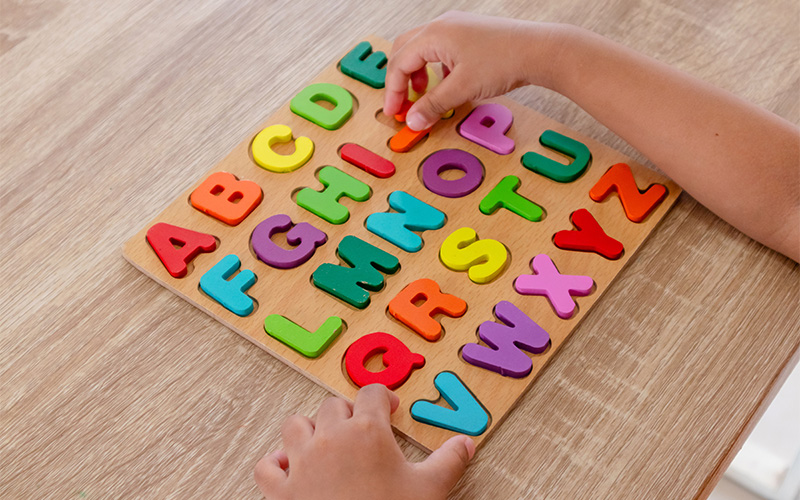
English learning in preschool isn’t just about mastering the alphabet. Rather, it’s about equipping children with cognitive processes, communication tools, and literacy readiness. With a systematic approach grounded in early childhood research, children gain the skills, confidence, and curiosity that set them up for long-term English language mastery.
At Curion Education Centre, our preschool English curriculum merges structured skill development with engaging experiences, a balance that ensures learning feels both purposeful and enjoyable. Our pedagogy is guided by our Skill Pillars framework, which breaks language mastery into clear, teachable components that children can build step by step. By establishing these foundations early, we prepare preschoolers not only for a smoother transition into formal schooling but also for the demands of primary English tuition later on.
Ready to give your child a stronger start? Contact us to find out more.